Edvard Munch Haus, Warnemünde (DE), Oct 25 – Nov 30 2025
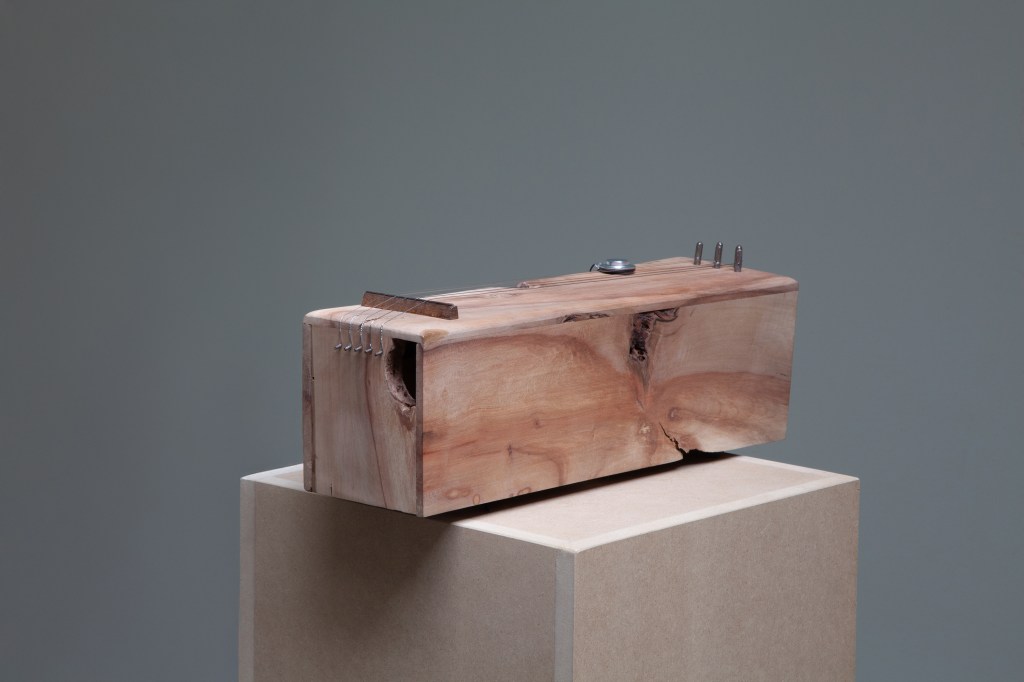
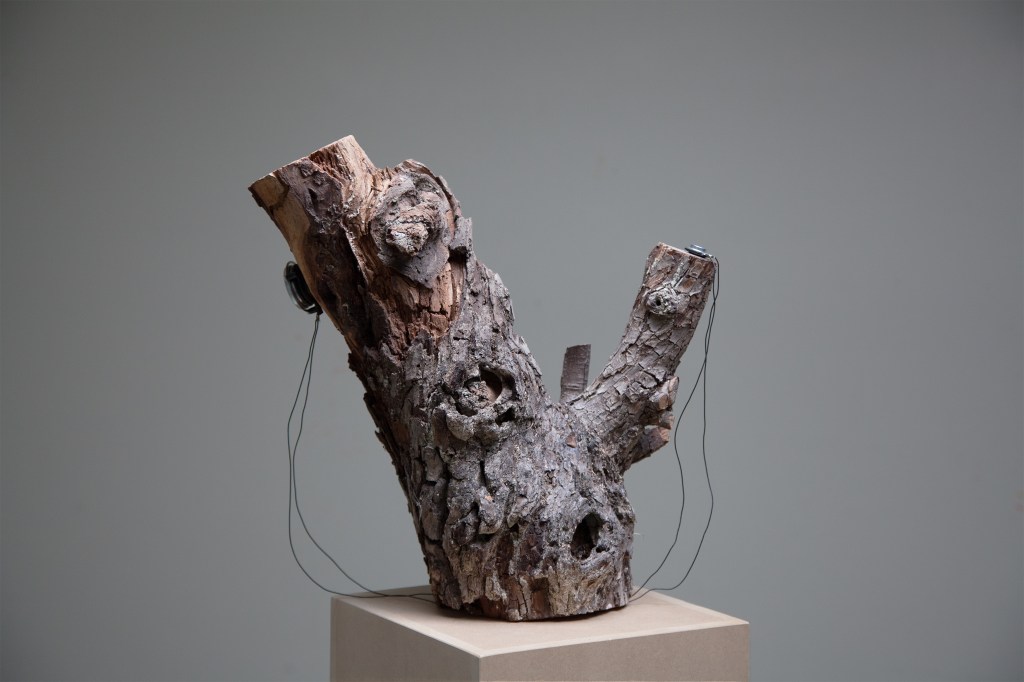
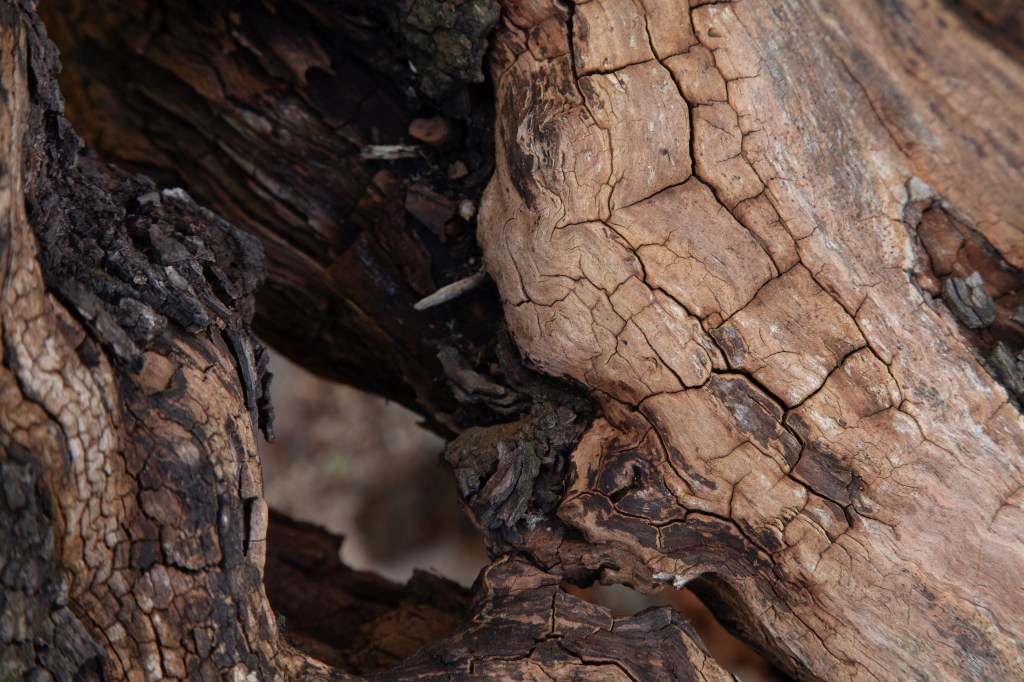
Spiralvekst / Drehwuchs is a sound installation and composition where both the sound material and the wood, used to build the installations sound sculptures, originate from the pear tree Edvard Munch immortalized in his painting Old Man in Warnemünde (1907).
The more than 200-year-old pear tree stood in the garden of the house that is now Edvard Munch Haus in Warnemünde until November 2024, when it had to be cut down due to damage from a storm in 2019.
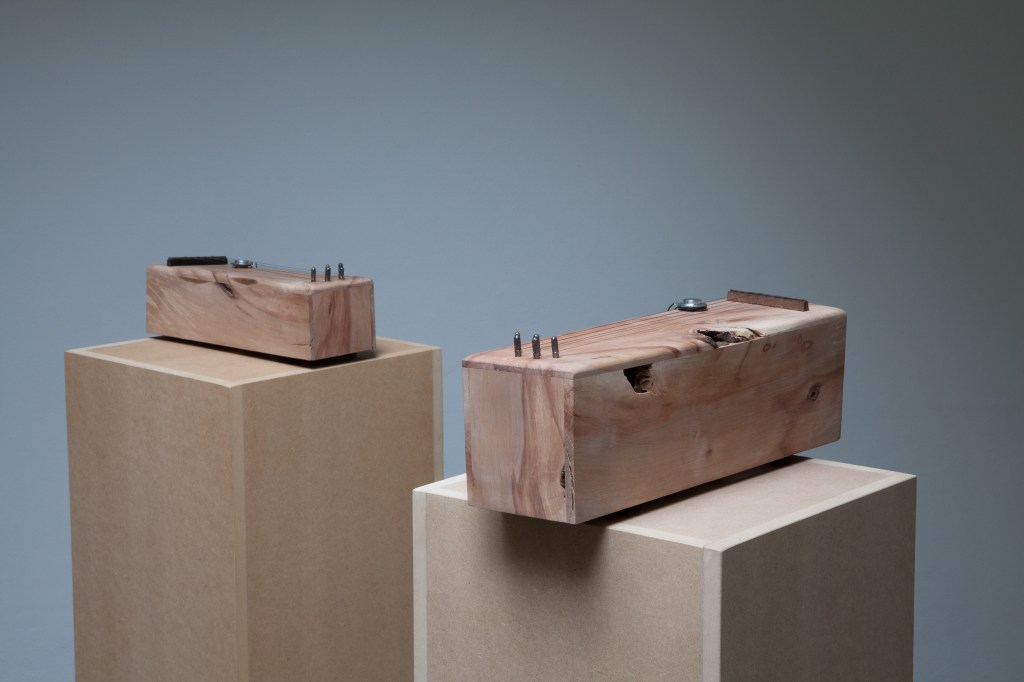
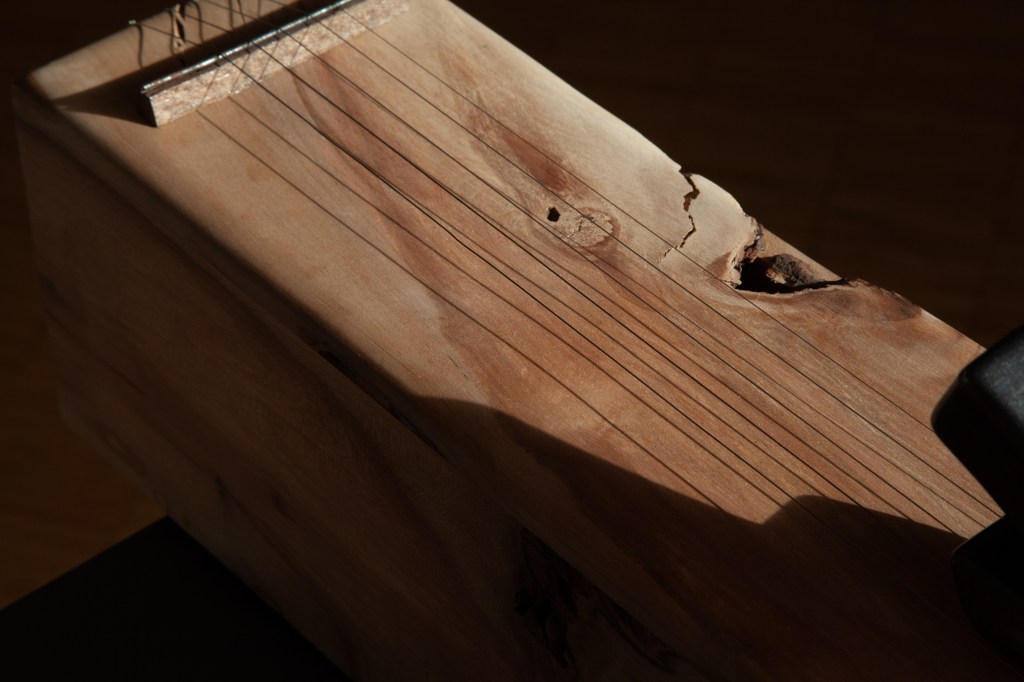
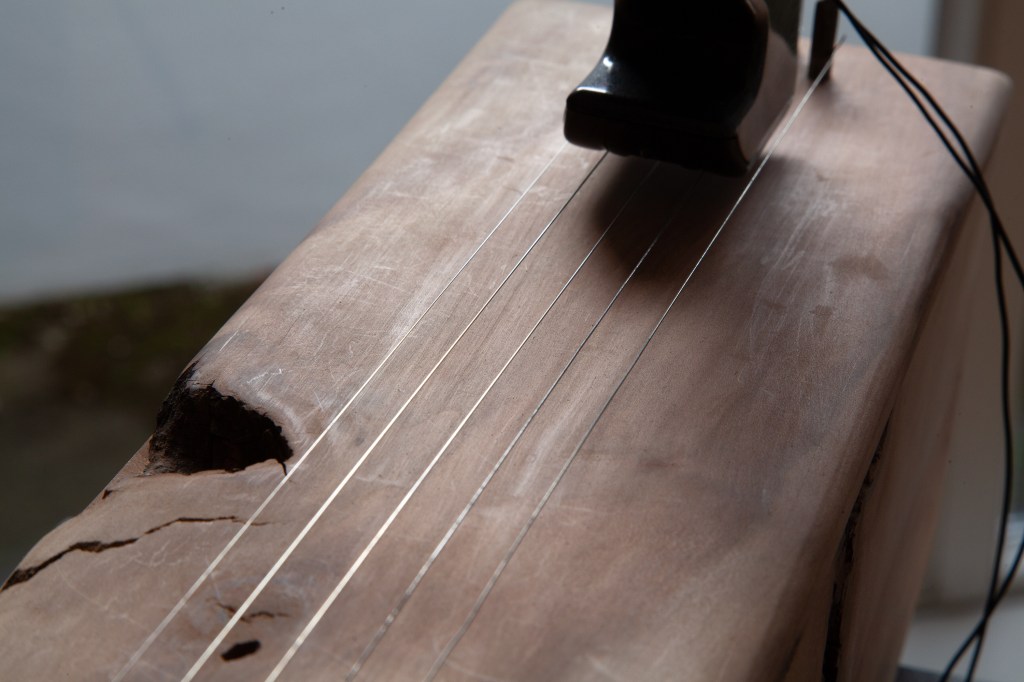
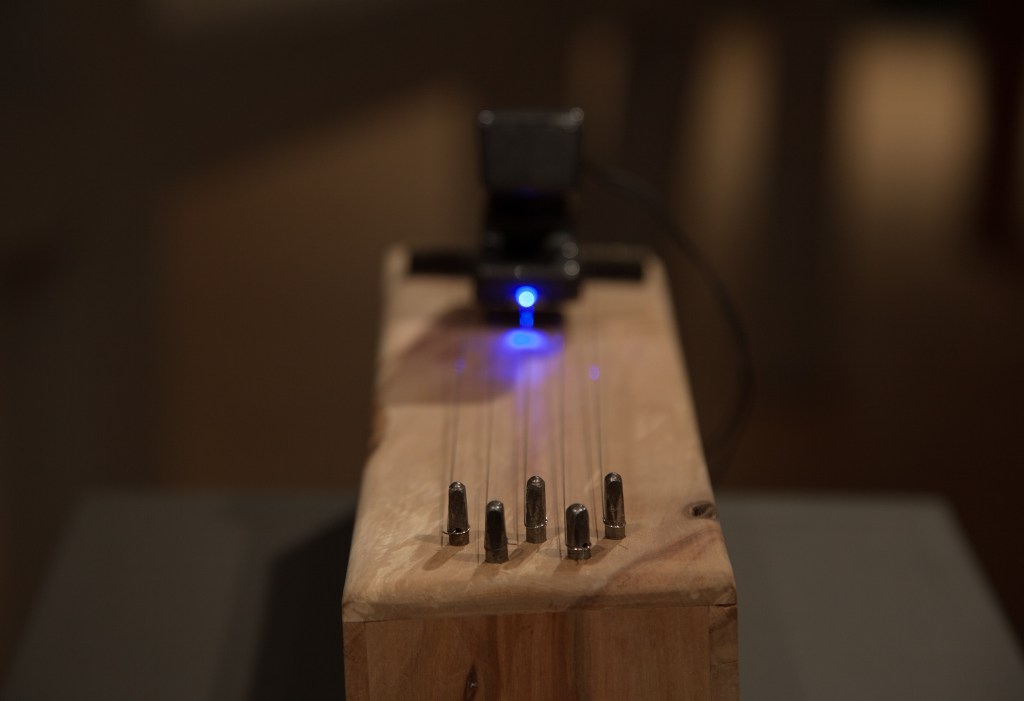
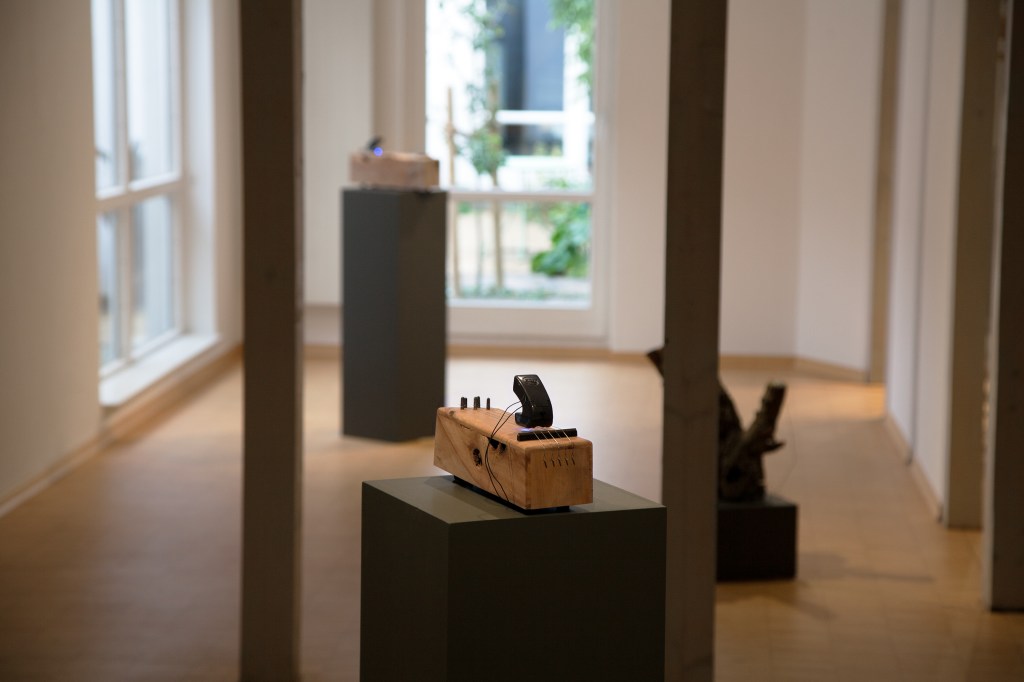
Two of the sound sculptures are also string instruments built from the pear tree wood.
The strings of these instruments are tuned to tones found in recordings made inside the tree while it was still standing in the garden. Throughout the exhibition, the strings will resonate as they are set into motion by EBows* and electromagnets.
The “pulse” of the EBows — and in turn the vibration of the strings — follows the variations in the wind that struck the treetop during the days the recordings were made.
The trees spiral growth (spiralvekst) began in the lower part of the pear tree’s trunk, continued throughout its life, and remains active in these instruments, as the wood continues to move slowly over time. This ongoing movement affects the instruments’ sound and resonance making the tree’s biological history an active part of the sound and work.
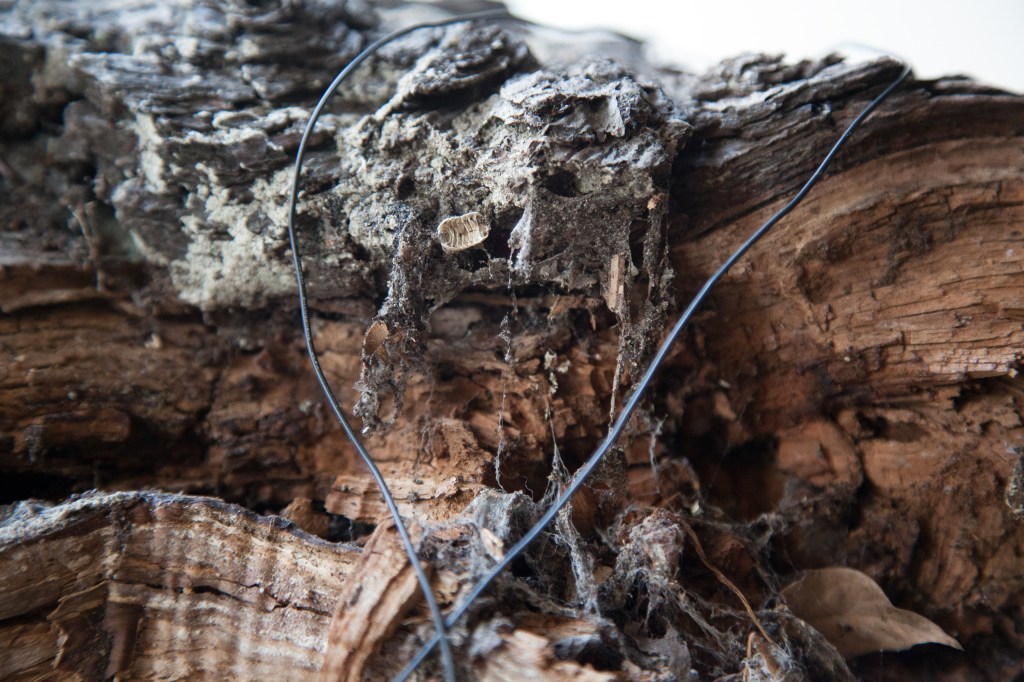
In addition to the instruments, the exhibition featured three other sound sculptures made from the tree. These play recordings of subtle movements inside the tree, like insects crawling, along with sonified bioelectrical signals registered in the moss on its trunk, while the tree was still standing outdoors.
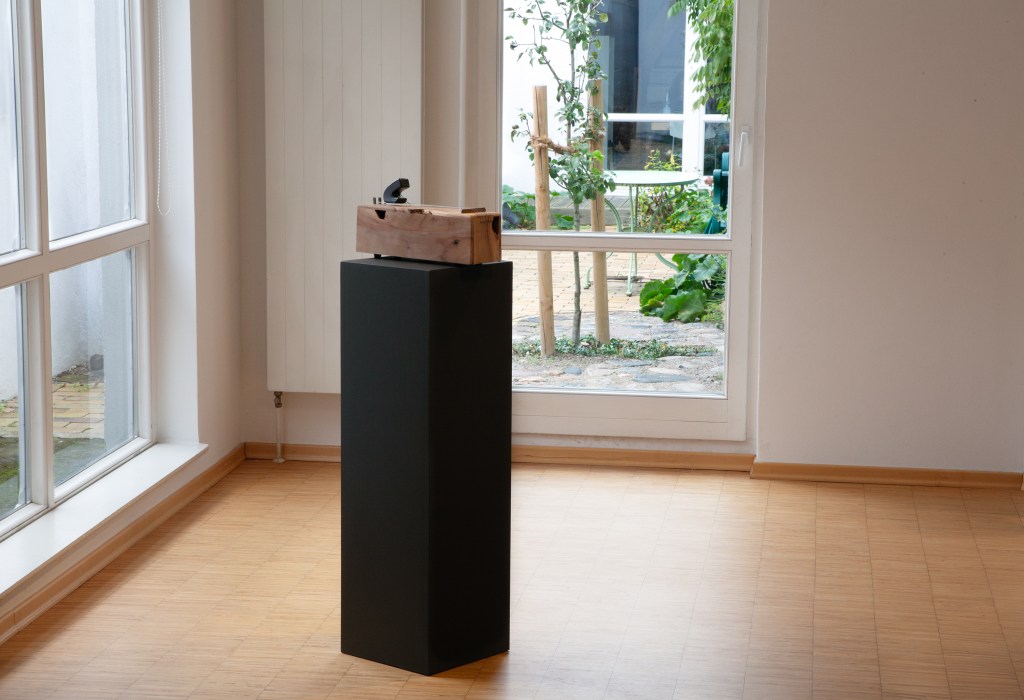
Together with the instruments and two loudspeakers, these formed a composition in the space.
Thanks to Notam and Knut Bendik Manger Breistein for invaluable assistance.
Supported by


 JOAKIM BLATTMANN